Low-Light ‘Rare-Looking’ Houseplants for Total Beginners
You don’t have a south-facing window. You’re not entirely sure you can keep a cactus alive. And yet, scrolling through plant Instagram at 2am, you keep thinking: why does everyone else’s flat look like a botanical garden while mine looks like… a flat?
Here’s the thing — you don’t need perfect light or expert-level skills to grow something that makes people do a double-take. Most beginner low light rare looking houseplants aren’t actually rare at all. They’re common, affordable, and nearly impossible to kill. They just look like you paid too much for them at a boutique shop.
The first such plant that I owned was the ZZ plant. This was before I got into the plant hobby — read obsession. Back then I wasn’t aware of lighting needs, watering strategies and so on. I just put it in an empty dark corner of my living room and ignored it.
This guide covers the plants that pull off that exotic look without demanding a greenhouse setup: budget-friendly picks, variegated options that don’t immediately die in shade, and the gear that actually helps (versus the stuff that’s just marketing).
What “Rare-Looking” Actually Means in Low Light
Let’s be clear about what we’re chasing here. “Rare-looking” isn’t about price tags or Latin names that sound like spells. It’s about the aesthetic: unusual leaf shapes, variegation (those white, pink, or silver streaks), deep moody colours, or textures that make people reach out and touch them.
The good news? Plenty of low light plants that look expensive are sitting in garden centres right now for under £15.
Low light slows growth, but the look stays. You’re not losing anything except speed.
The Best Low-Light “Rare-Looking” Plants
This is the core list. Seven plants that deliver on the “wait, is that real?” factor without demanding ideal conditions. I’ve picked these based on actual low-light tolerance, not optimistic marketing copy. These are the beginner low light rare looking houseplants that actually perform.
Chinese Evergreen (Aglaonema) — The Easiest Variegated Plant Alive
If you want one plant that looks expensive, handles genuine low light, and forgives every mistake you’re about to make — this is it. Aglaonema cultivars come in pink, red, silver, and combinations that look like someone painted them. ‘Pink Splash’, ‘Silver Bay’, ‘Red Valentine’ — they all share the same near-indestructible personality.
They handle low humidity without drama. No misting required. No pebble trays. Just water when dry and otherwise leave them alone.
For soil, I use a chunky aroid mix that drains fast — Aglaonema roots rot quickly in dense potting soil. The Premium Aroid Soil (around $20) has worked well for me; it’s light enough that the roots stay happy even in slow-drying low-light spots.
ZZ Plant (Zamioculcas zamiifolia) — Neglect It and It Thrives
The ZZ plant looks like a sculpture. Dark, glossy, architectural leaves that catch light even in dim rooms. It’s the plant you put in a corner and forget about for three weeks, then remember and find it looking exactly the same — maybe better.
This is exactly what I did. Just forgot about it in a dark corner of my living room. No watering and very low light. Not to mention the extremely small pot that caused the plant to be root bound — or better said rhizome bound. In such dire conditions, my plant thrived. It even spawned a new stem.
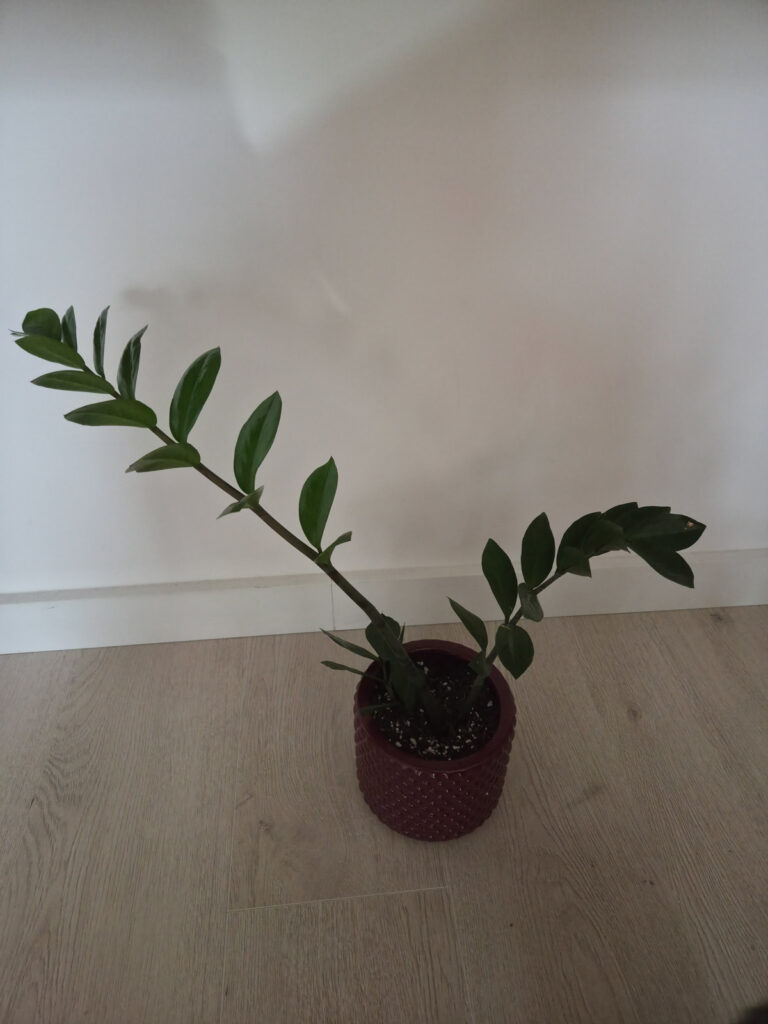
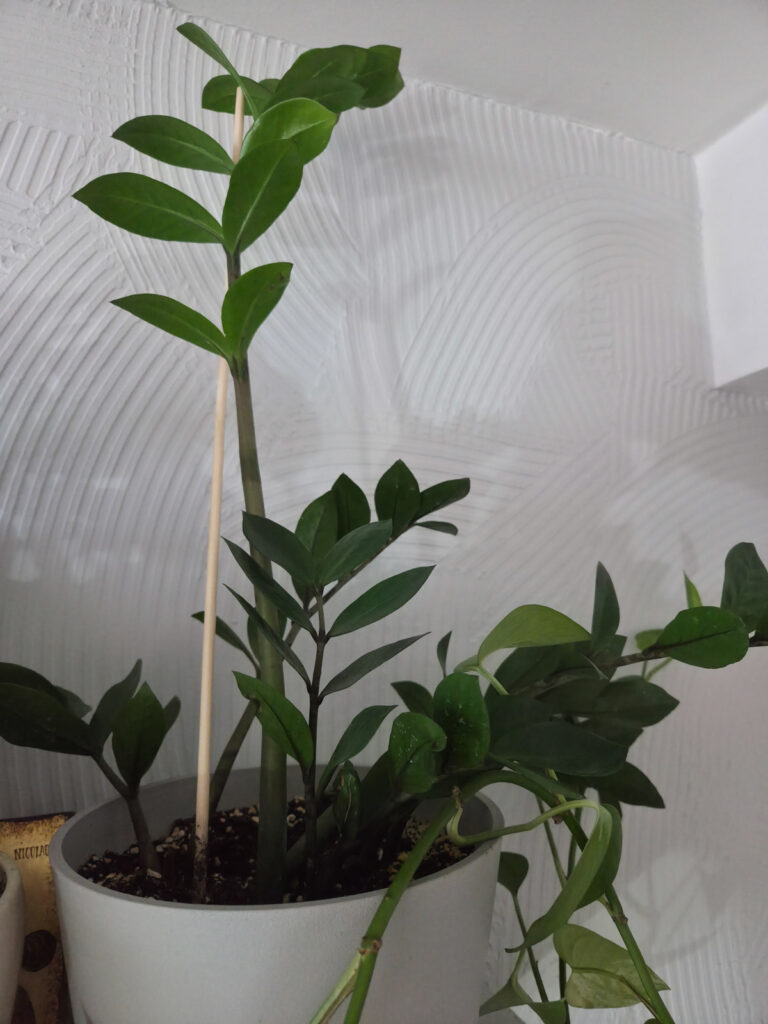
The secret is the rhizomes underground. They store water like a camel stores fat. Drought tolerance isn’t a feature here; it’s the whole personality.
The only way to kill a ZZ is overwatering. Seriously. That’s it. If you’re the type who waters on a schedule, get a moisture meter instead. The XLUX Soil Moisture Meter (around $13) takes the guesswork out — stick it in, water when it hits 3, ignore it when it’s higher.
Pothos ‘Marble Queen’ or ‘Global Green’ — Variegated and Forgiving
Plain green pothos is fine. But ‘Marble Queen’ and ‘Global Green’ are where it gets interesting — heavy white variegation on the Queen, unusual light-green patterns on Global Green. They look like rare houseplants that tolerate low light, but they’re available everywhere and cost almost nothing.
They trail, they climb, they fill a shelf. Minimal effort, maximum lush.
They are extremely easy to propagate as well — just cut a leaf with a node, put it in water, and you have a brand new plant.
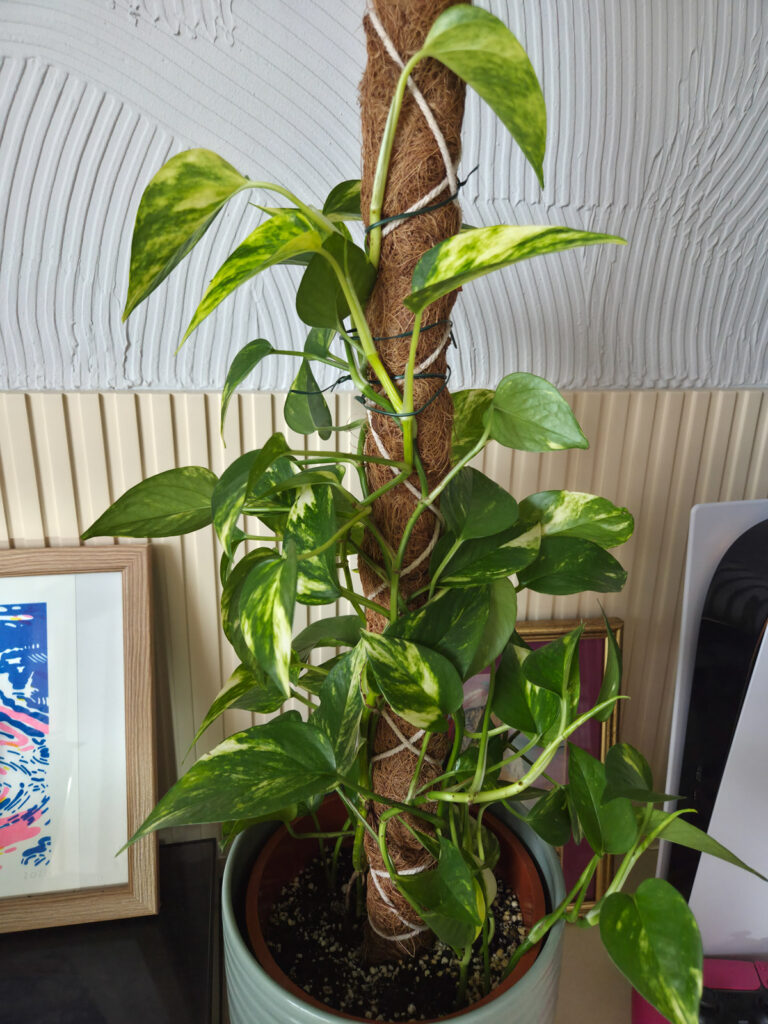
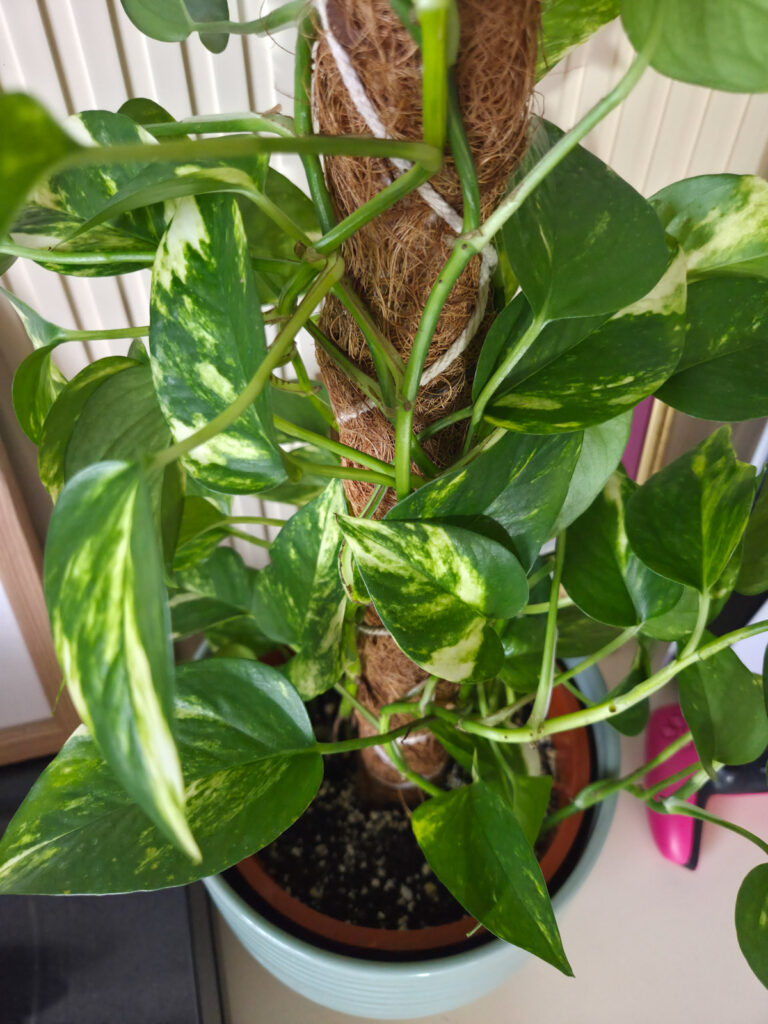
One honest note: variegation fades a bit in very low light. The white parts produce less chlorophyll, so the plant compensates by pushing out greener leaves. If you want to keep the contrast sharp, a basic grow bulb helps. But even without one, they survive and look good — just a bit greener.
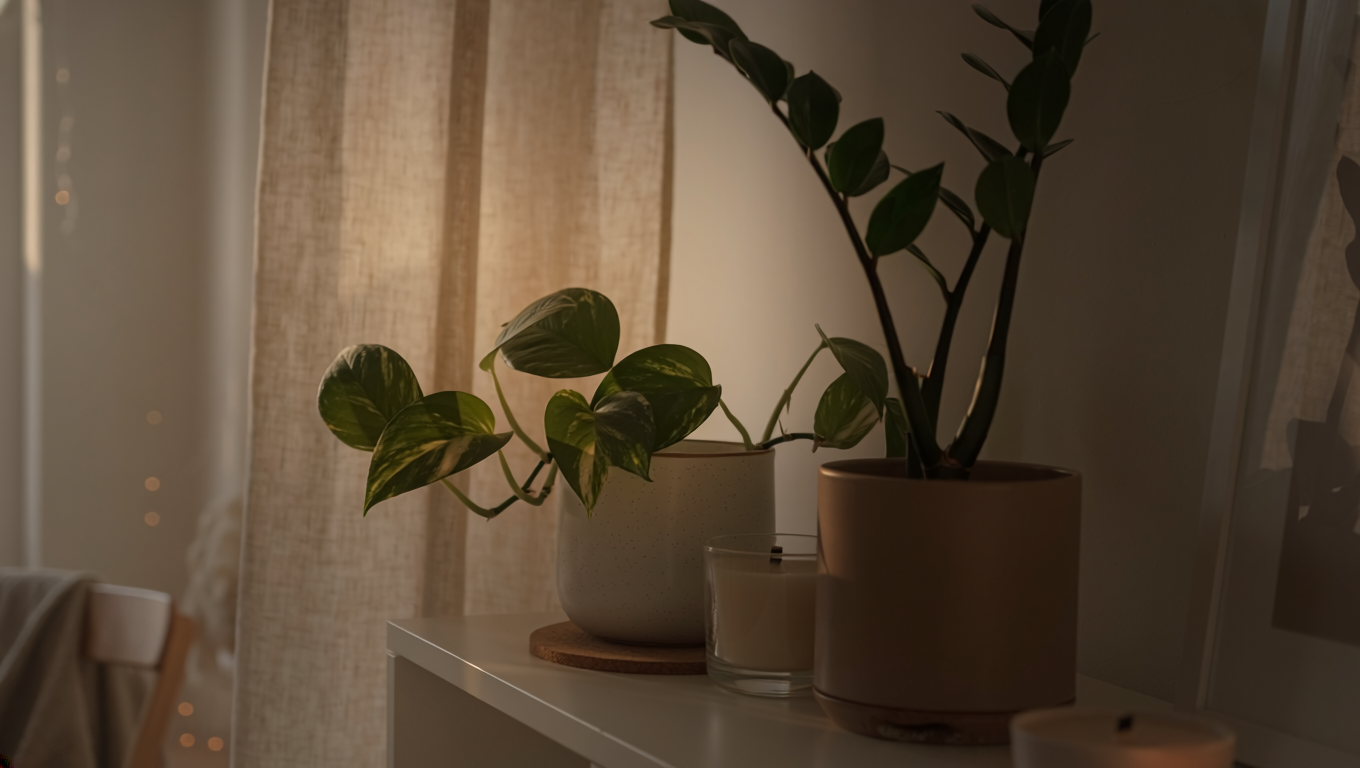
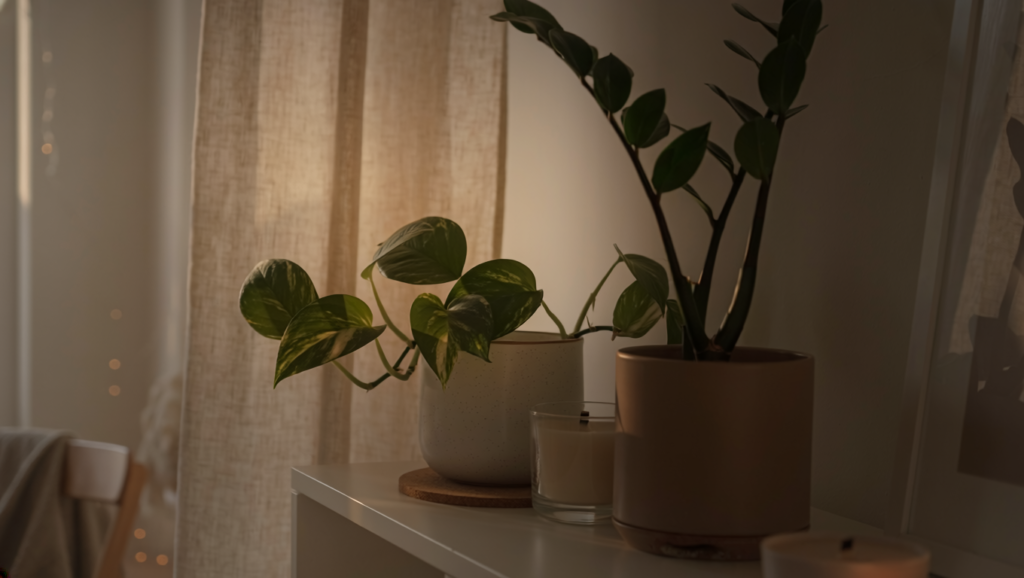
You can see the low light variegation in the first picture vs normal light variegation in the second picture.
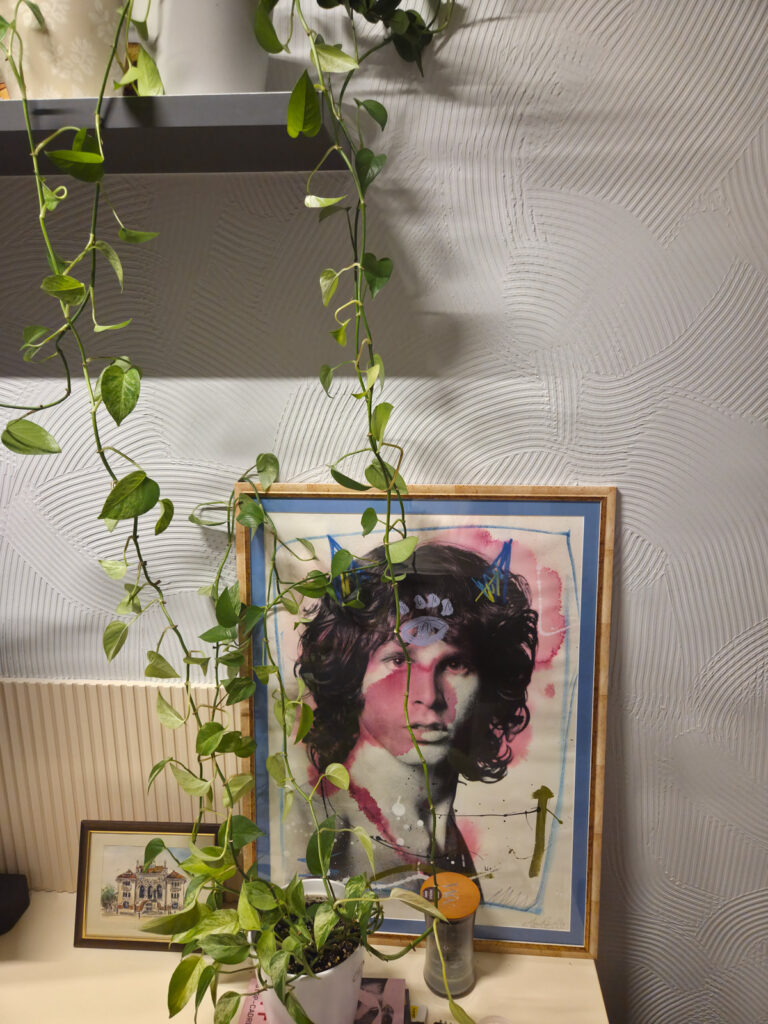
The below pothos was 2 meters closer to the window. They were propagated from the same plant, but the difference is astonishing.
Tradescantia zebrina — Purple, Silver, Fast, Nearly Indestructible
This one’s a showstopper. Metallic purple and silver stripes, leaves that shimmer when the light catches them, and a growth rate that borders on aggressive. Tradescantia zebrina looks like it belongs in a sci-fi movie.
Technically it prefers moderate light, but I’ve kept it in spots that barely get indirect sun and it keeps pushing out new growth. The colours stay. It just grows slightly slower.
And the price? Often free. Cuttings root in water in about a week. Ask on local plant swap groups or check Etsy — someone’s always giving these away. Easily the cheapest beginner exotic plant for a dark room on this list.
Cast Iron Plant (Aspidistra elatior) — Old School, Underrated
The Cast Iron Plant earned its name. It survives conditions that kill everything else: low light, irregular watering, dust, neglect, general indifference. Victorian parlours loved it because it thrived before central heating existed — dim, cold, smoky rooms. If it handled that, it’ll handle your flat.
The look is architectural. Deep green, long arching leaves, understated but striking. It’s not flashy like Aglaonema, but it has presence. Growth is slow — very slow. But that’s fine; you’re not babysitting it. You’re ignoring it, and it’s thanking you for it.
Dracaena (especially ‘Lemon Lime’ or ‘White Jewel’) — Looks Like a Statement Piece
Dracaenas are the tall, sword-leafed plants you see in office lobbies and think “that must need a lot of light”. It doesn’t. Dracaena tolerates low light without losing its structure or colour.
‘Lemon Lime’ has striking chartreuse and green stripes. ‘White Jewel’ adds white variegation. Both look like statement pieces you’d see in a design magazine.
Rex Begonia — For When You Want Something Genuinely Unusual
This is the step-up pick. Rex Begonias have leaves that look almost alien — metallic sheens, spiral patterns, textures that feel like they belong in a fantasy novel. Nothing else looks quite like them.
But they’re more demanding. They want moderate humidity, consistent watering, and they sulk if you move them too often. Not hard, but not set-and-forget either.
Consider this one when you’ve built some confidence on the easier plants. It’s worth the effort once you’re ready.
Low Light + Low Humidity — The Winning Combo
Most “exotic” tropical plants want humidity. That’s the catch. You see something gorgeous online, buy it, bring it home to your dry heated flat, and watch it crisp up within a month.
But not all of them. Some beginner low light rare looking houseplants genuinely thrive in normal household conditions — no humidifier, no pebble trays, no misting routine.
Chinese Evergreen and ZZ Plant are the standouts here. Both evolved in conditions that aren’t that different from a typical apartment: inconsistent water, moderate-to-low humidity, not much direct sun. They’re built for this.
When humidity does matter — variegated pothos in a very dry room, or Rex Begonia anywhere — you’ve got two options.
The Budget Fix — Pebble Tray
A shallow tray filled with pebbles and water, plant pot sitting on top. As the water evaporates, it bumps up the humidity immediately around the plant. It’s not a miracle — you’re getting a modest boost, not recreating a rainforest. But for a single plant that needs a little extra, it works.
A Humidity Tray with Pebbles (around $10) fits a windowsill or shelf and does the job without looking like science equipment. Note that you also need the pebbles separately.
When You Actually Need a Humidifier
If your room drops below 30% humidity in winter (heated air is brutal), a tray won’t cut it. You need actual moisture output. A small humidifier (around $28) is compact, quiet, and doesn’t look like medical equipment.
Setting Up a Neglect-Proof Low-Light Corner
Here’s how to actually put this together so it runs itself.
Pick the right spot. North-facing window is ideal — consistent indirect light, no scorching sun. East-facing works too (gentle morning light). If you’re working with an interior shelf or a room that’s genuinely dark, add a grow bulb and run it 8–10 hours a day.
Soil matters more than you think. In low light, soil dries slowly. Dense potting mix stays wet for weeks, roots sit in moisture, rot sets in. You want something chunky that drains fast. The Premium Aroid Soil (around $20) is my go-to — perlite, bark, charcoal, drains like it should.
Ditch the watering schedule. “Water every Sunday” kills more houseplants than neglect. Low-light plants dry out slowly and unpredictably. The XLUX Soil Moisture Meter (around $13) costs less than two dead plants. Stick it in the pot, water when it reads 3–4, ignore it when it’s higher. Done.
When You Need a Grow Bulb (and When You Don’t)
Most plants on this list genuinely don’t need supplemental light. That’s the whole point — they handle dim conditions.
But if your space is dark-dark (interior room, no window within 3 metres), a grow bulb opens up more options. It also helps maintain variegation on Marble Queen pothos and keeps Dracaena colours from fading.
The SANSI Grow Light (around $25) screws into any standard lamp socket, has a built-in timer, and doesn’t blast your room with purple sci-fi lighting. It looks like a normal warm bulb. Run it 8–10 hours and forget about it.
Budget Tiers — What to Buy First
If you’re starting from zero and hunting for beginner low light rare looking houseplants, don’t go expensive. Build confidence on forgiving plants, then level up.
| Tier | Plant | Why | Where to Find |
|---|---|---|---|
| Under £5 / free | Tradescantia zebrina cutting | Roots fast, looks stunning, often given away | Facebook plant groups, Etsy, local swaps |
| Under $15 | ZZ Plant (small) | Unkillable, architectural, widely available | Garden centres, IKEA, supermarkets |
| Under $25 | Aglaonema ‘Pink Splash’ | Variegated, low-light tolerant, statement piece | Online plant shops, Etsy, specialist nurseries |
| Statement pick | Dracaena ‘Lemon Lime’ (larger) | Height, structure, looks expensive | Garden centres, online retailers |
My first plant was the ZZ — I actually received it as a gift. It was the gateway to a great hobby. The pattern I’d recommend: start with a ZZ or Tradescantia, keep it alive for two months, then grab an Aglaonema. By then you’ll know your light levels, your watering habits, and whether you actually enjoy this. Then consider the fancier stuff. For beginner low light rare looking houseplants there is nothing simpler than these two.
Product Picks for Your Low-Light Setup
Everything mentioned in one place. These are the tools that actually help — not the stuff that just looks good in flat-lay photos.
| Product | Price | Best For |
|---|---|---|
| XLUX Soil Moisture Meter | ~$13 | Preventing overwatering on ZZ, Aglaonema, any low-light setup |
| Premium Aroid Soil | ~$20 | Fast-draining mix for pothos, Aglaonema, Dracaena |
| Humidity Tray with Pebbles | ~$10 | Budget humidity boost for a single plant |
| Levoit Humidifier | ~$28 | Dry rooms in winter, keeping variegated plants happy |
| SANSI Grow Light | ~$25 | Dark rooms, interior shelves, maintaining variegation |
Prices fluctuate — check current listings before buying.
FAQ
What is the best low-light plant for beginners that looks exotic?
Chinese Evergreen (Aglaonema) is my top pick for beginner low light rare looking houseplants. Pink, red, and silver cultivars look like boutique plants but handle low light and low humidity without fuss.
Can variegated plants survive low light?
Some can, but variegation needs more light than plain green leaves — variegated cells produce less chlorophyll. A grow bulb helps if you want to keep the contrast sharp. Marble Queen pothos and certain Aglaonema cultivars hold their patterns better than most in dim conditions.
Do rare-looking plants need high humidity?
Not all of them. ZZ plants and Chinese Evergreens handle normal household humidity without issue. Rex Begonias and some aroids want more — a pebble tray or mini humidifier covers most situations without building a full humidity chamber.
How do I know when to water a low-light plant?
Use a moisture meter, not a calendar. Low-light plants dry out slowly, so watering every Sunday is how you rot roots. Stick the probe in the soil, water when it hits 3–4, leave it alone when it’s higher.
Are low-light exotic plants good for apartments?
Yes — they’re practically designed for it. No south-facing window required. Most handle dry air and irregular watering. ZZ, Dracaena, and Cast Iron Plant are ideal for flat life.
Start With One
You don’t need a greenhouse. You don’t need perfect conditions. You need one forgiving plant in a spot that works, and the patience to not overwater it.
The “wait, is that real?” moment is achievable on any budget, in any flat, with any amount of natural light. Grab a ZZ or an Aglaonema, put it somewhere that doesn’t get direct sun, and leave it alone more than you think you should.
My favorite low light plant is definitely the pothos. I love its long vines and the way it extends all over my furniture.
That’s the whole secret to beginner low light rare looking houseplants — less fuss, more green.
Enjoy!